

You might be feeling a quiet weight on your shoulders right now. Maybe a health scare, a parent’s decline, or even the birth of a new grandchild has made you realize that “someday” planning is now staring you in the face. You know you should get your affairs in order, yet the thought of choosing the wrong estate planning lawyer in Grand Blanc feels almost worse than doing nothing.
You are not alone in that feeling. Many people worry about being talked down to, sold documents they do not need, or leaving a mess for their family despite “having a will.” Because of this tension, you might wonder where to even start, or how to tell the difference between one law firm and another when every website sounds the same.
Here is the good news. Choosing an estate planning law firm in Grand Blanc, Michigan does not have to be guesswork. If you know the right questions to ask, you can quickly separate a true planning partner from someone who just fills in forms. The nine questions below are designed to give you clarity, protect your family, and help you feel calmer about the decisions ahead.
In short, you will learn what really matters when hiring an estate planning lawyer, how to spot red flags, how to compare “do it yourself” options with professional help, and what steps you can take this week to move forward with confidence.
Why does choosing the right estate planning lawyer feel so overwhelming?
It often starts with a simple thought. “I should probably get a will done.” Then you google “estate planning lawyer Grand Blanc” and are hit with a wall of names, credentials, and legal terms that do not mean much when you are worried about your spouse, your kids, or an aging parent.
At the same time, there is a deeper fear underneath. You are not just choosing a lawyer. You are choosing the person who will help shape what happens to your house, your savings, and the people you love when you are not here to speak for yourself. That is a big emotional ask, and it deserves more than a quick price comparison.
Because of this, many people do nothing. They tell themselves they will handle it “after the holidays” or “once things calm down.” Then a stroke, a fall, or a sudden diagnosis forces the issue, and the family is left scrambling in crisis, sometimes in court, sometimes arguing, sometimes frozen because no one knows what you would have wanted.
So where does that leave you? You may feel caught between the fear of doing it wrong and the fear of not doing it at all. That is exactly where these nine questions come in. They give you a way to interview a firm like Mannor Law Group and decide whether they are truly the right guide for you.
Question 1: Do you focus primarily on estate planning and elder law?
Many attorneys “do a little bit of everything.” They might handle divorces, criminal cases, real estate closings, and also “wills and trusts” on the side. There is nothing inherently wrong with that, but estate planning and elder law change often, and the rules can be surprisingly detailed.
You want a firm that treats estate planning as a core focus, not an occasional add-on. Ask directly, “What percentage of your practice is devoted to estate planning, elder law, and related areas like Medicaid planning or probate?” If the answer feels vague or small, you may be dealing with a generalist.
Firms that focus on planning are more likely to be familiar with current Michigan law, recent tax updates, Medicaid rules, and practical strategies for families in Grand Blanc and surrounding communities.
Question 2: How do you approach planning for my specific family, not just my documents?

Estate planning is not just about a stack of papers. It is about people. A good attorney will want to understand your family dynamics, health concerns, long term goals, and even the personalities involved.
You might ask, “How do you learn about my family before you recommend a plan?” Listen for an answer that mentions a detailed discovery meeting, questions about your values and concerns, and a willingness to hear your story. If the focus is purely on which documents they will draft, without real attention to who you are, that is a sign that the planning may be shallow.
For example, a blended family with children from prior marriages needs a different approach than a young couple with a single child, and both are very different from an older adult who is worried about nursing home costs. The right firm will not treat all three as the same “standard will package.”
Question 3: What experience do you have with Michigan probate and real-world outcomes?
On paper, many plans look fine. The real test comes when someone passes away or becomes incapacitated. That is when you find out whether the plan actually works or whether it leaves the family stuck in court, confused, or arguing.
Ask, “How often are you involved when a client’s plan is used after death or disability? What have you learned from those experiences?” Attorneys who regularly handle probate and trust administration see what goes wrong in poorly drafted plans. They bring that knowledge back into their planning work to help avoid common mistakes.
If a firm like Mannor Law Group regularly helps families through probate and trust administration in Genesee County and around Grand Blanc, they will know how local courts operate, what judges expect, and how to structure documents to reduce headaches later.
For more insight into how probate works in general, you can review information from the Michigan Attorney General’s estate planning consumer alerts.
Question 4: How do you help prevent family conflict and confusion?
Many people think conflict only happens in “greedy” or wealthy families. In reality, arguments often erupt in modest families where the plan was unclear or never discussed. A missing signature, an outdated beneficiary, or a surprise decision can cause deep hurt.
You might ask, “How do you help reduce the chance that my children or other loved ones will fight or be confused later?” A thoughtful firm will talk about clarity, updated beneficiary designations, clear decision makers, and sometimes family meetings where your wishes are explained while you are still alive and able to speak.
For example, if you leave one child in charge of finances for an aging parent, the other siblings may become suspicious unless there is a clear plan and communication. A good estate planning lawyer will anticipate these pressure points and suggest ways to address them before they explode.
Question 5: Will my plan be updated as laws and my life change?
Your life does not stand still, and neither does the law. Children grow up. Health changes. You might move, marry, divorce, or receive an inheritance. Tax rules and Medicaid regulations also change over time.
Ask, “How do you handle updates and reviews of my estate plan?” Some firms offer ongoing maintenance programs or regular review meetings. Others may simply encourage you to come back when something changes. What matters is that there is a clear path to keep your plan aligned with your current reality.
A plan that fits you at age 50 may be very wrong for you at age 70. For example, a simple will that made sense when your children were young may not address long term care, remarriage, or special needs grandchildren that appear later.
Question 6: What is your approach to incapacity and long-term care planning?
Many people focus only on “who gets what when I die” and forget that a serious illness or cognitive decline can cause just as much chaos. Dementia, stroke, or a sudden accident can leave your family scrambling to pay bills, make medical decisions, or find care.
You may want to ask, “How do you plan for incapacity, not just death? Do you help with powers of attorney, medical directives, and long-term care strategies?” A strong answer will include durable powers of attorney, patient advocate designations, HIPAA releases, and planning for nursing home or assisted living costs when appropriate.
According to the U.S. Department of Health and Human Services, most older adults will need some form of long-term care. You can explore their data and guidance through the Administration for Community Living’s long-term care resources. A firm that understands this reality can help protect both your care and your savings.
Question 7: How transparent are your fees and what exactly is included?
Money is often the hardest topic to bring up, yet it is one of the most important. You deserve to know what you are paying, what is included, and whether you will be surprised with hourly bills for every short phone call.
Ask, “Do you charge flat fees for estate planning, or hourly? What does that fee include? Are there extra charges if I need minor changes later?” A confident, client-centered firm will explain this clearly and in writing. They will not rush you through the fee discussion.
Remember that the lowest price is not always the safest choice. A very cheap plan that leaves your family in court or in conflict can be far more expensive in the long run.
Question 8: How do you communicate and who will I actually work with?

You are not just hiring a name on a door. You are choosing the people who will hear your worries, answer your questions, and support your family when something goes wrong.
You might ask, “Who will be my main point of contact? How quickly do you usually respond to calls or emails? Do you explain things in plain English?” Pay attention to whether you feel listened to during the consultation. If you feel rushed or confused now, it is unlikely to improve later.
Many families appreciate a team approach, where attorneys, paralegals, and support staff at a firm like Mannor Law Group work together. What matters is that you feel comfortable reaching out and that you know someone will be there when you need help.
Question 9: What makes your planning process different from a do-it-yourself solution?
With online forms and generic templates everywhere, you may wonder if you really need an attorney at all. That is a fair question, and a trustworthy firm will not be offended by it. Instead, they will explain the differences clearly.
Ask, “If I used an online form or a cheap document service instead of working with you, what would I be missing?” Listen for specific examples related to Michigan law, beneficiary coordination, tax planning, long-term care, and family dynamics, not just “Our documents are better.”
To help you weigh these options, it can be useful to compare do-it-yourself planning with a focused firm like Mannor Law Group.
How does DIY estate planning compare to working with a Grand Blanc estate planning firm?
| Issue | DIY / Online Forms | Working with an estate planning lawyer in Grand Blanc |
| Customization to Michigan law | Generic language. May not reflect current Michigan statutes or probate rules. | Documents tailored to Michigan law and local court practices. |
| Understanding your family dynamics | No real conversation. You answer checkboxes without context. | The attorney asks about relationships, health, and potential conflict points. |
| Coordination of assets and beneficiaries | Often ignores beneficiary forms on accounts, which can override your will. | Guidance on aligning retirement accounts, life insurance, and deeds with your plan. |
| Planning for incapacity | May include basic forms, but little guidance on how they work in real emergencies. | Thoughtful powers of attorney, medical directives, and practical instructions. |
| Support for your family later | No help when you become ill or pass away. Your family is on its own. | Ongoing support for your loved ones in probate or trust administration. |
| Cost over time | Lower upfront cost. Higher risk of court costs, delays, and conflict later. | Higher upfront investment. Often lower overall cost due to fewer problems later. |
This comparison is not meant to scare you, only to show why many families in Grand Blanc and across Michigan choose to work with a lawyer for anything beyond the simplest situations.
Three steps you can take right now to move forward with confidence
When you are already stressed, big decisions can feel paralyzing. Breaking things into small, clear steps can help.
1. Get clear on your goals and worries before you call anyone
Take 10 to 15 minutes with a notebook. Write down:
- Who depends on you financially or emotionally.
- What you are most worried about is if something happened tomorrow.
- Any specific questions you have about wills, trusts, long-term care, or probate.
You do not need perfect answers, just honest thoughts. Bringing this to an initial meeting with a Grand Blanc estate planning attorney will make the conversation more focused and less overwhelming.
2. Use the nine questions as your interview checklist
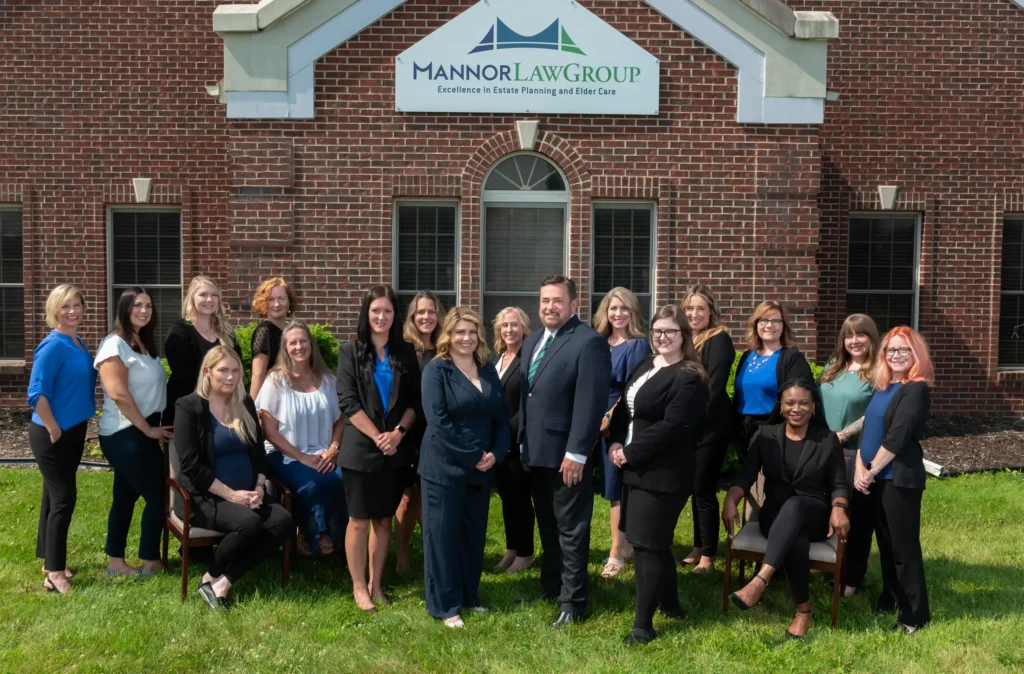
Whether you speak with Mannor Law Group or another firm, keep these nine questions in front of you. Ask them directly. Make notes about how you feel during the conversation, not just what is said.
- Did they listen more than they talked at first?
- Did they explain things in plain language?
- Did you feel judged, rushed, or pressured?
Your comfort level matters. You are trusting this firm with your private life and your family’s future. You deserve to feel respected and understood.
3. Commit to a realistic next step and a simple timeline
Big projects get done when they are broken into small tasks. Instead of saying, “I need to get my whole estate plan done,” set a clear, simple next step.
- “This week, I will schedule a consultation with a Grand Blanc estate planning firm.”
- “By the end of next month, I will review and sign my core documents.”
Even one small action, like scheduling a meeting, can dramatically reduce that background anxiety, because you are no longer stuck in “someday.” You are moving.
Closing thoughts: You do not have to carry this alone
Estate planning is not just about money or documents. It is about love, responsibility, and the quiet wish that your family will be cared for and at peace when you cannot be there to guide them. Feeling anxious or uncertain about choosing the right firm is completely human. It means you care.
By asking the right questions, you protect yourself from rushed decisions and shallow solutions. You give yourself a chance to find a true partner, someone who sees the whole picture of your life and helps you plan in a way that feels right for you.
If you are in Grand Blanc or the surrounding area and you are ready to explore your options, consider reaching out to a firm like Mannor Law Group that focuses on estate planning services and elder law. Ask the nine questions. See how they respond. You deserve clear answers, steady guidance, and a plan that works when your family needs it most. Call us today at (810) 694-9000 to discuss these questions and any more you might have.
You have already taken the hardest step by admitting this matters to you. The rest can be handled one careful, thoughtful conversation at a time.